CoQ10 and Inositol: Two Ingredient Names Worth Understanding
CoQ10 is a compound the body makes and foods contain in small amounts, while inositol is a sugar-like compound found in many plant foods; both appear on heart-focused labels.
Knowing what they are makes any Supplement Facts panel easier to read.
Why These Two Names Keep Showing Up
Open the label of almost any heart-focused supplement and you are likely to meet two names early: CoQ10 and inositol. Neither is exotic. Both exist naturally, both appear in everyday foods, and both have decades of attention in nutrition literature. This guide explains what they are in general terms, so the names stop feeling like jargon.What CoQ10 Is
Coenzyme Q10, shortened to CoQ10 and sometimes called ubiquinone, is a compound found throughout the human body. It is present in nearly every cell, with higher concentrations in organs that work constantly, such as the heart. Because it is part of normal cell chemistry, it is often described as "cellular," which is where the phrase "cellular heart health" comes from on some labels.Foods contribute small amounts. Fatty fish such as salmon and sardines, organ meats, beef, peanuts, sesame seeds and some vegetables all contain CoQ10. Most people get a little from a varied diet, and levels in the body naturally shift with age.
Ubiquinone versus ubiquinol
You may see two spellings on labels. Ubiquinone is the form usually found in supplements; ubiquinol is a related form the body converts it to and from. For label reading, the main point is that both refer to the same family of compound, so look at the name and the printed amount on the panel.What Inositol Is
Inositol is a sugar-like carbohydrate, though it does not behave like table sugar. It is found in fruits (especially citrus and cantaloupe), beans, whole grains and nuts. The body also produces some on its own. It has a long history on ingredient lists and is often grouped with the B-vitamin-like nutrients in conversation, even though it is not technically a vitamin.On a label you may see it listed simply as inositol. Some products name a specific form, which should appear in the Supplement Facts panel.
Why People Look for Them on Labels
People searching for heart wellness products often scan for familiar, well-documented ingredient names. CoQ10 and inositol both fit that pattern because they are widely discussed, easy to look up and present in ordinary foods. That familiarity makes comparison easier: you can search a name, read neutral background and decide whether it fits what you want.A word about expectations. An ingredient name tells you what is in a product, not what any single person will experience. Supplements work best as one piece of a daily routine that includes balanced meals, movement and sleep.
Reading the Amounts Correctly
The Supplement Facts panel lists each ingredient with an amount per serving. Two things are worth checking:- Whether the amount is shown for the ingredient itself, not just a blend total.
- Whether the serving size on the panel matches the directions for use.
Amounts differ widely from one product to the next, which is why it helps to read the panel rather than rely on front-label claims. Our guide to understanding supplement labels walks through each line.
Where Heartaide Fits
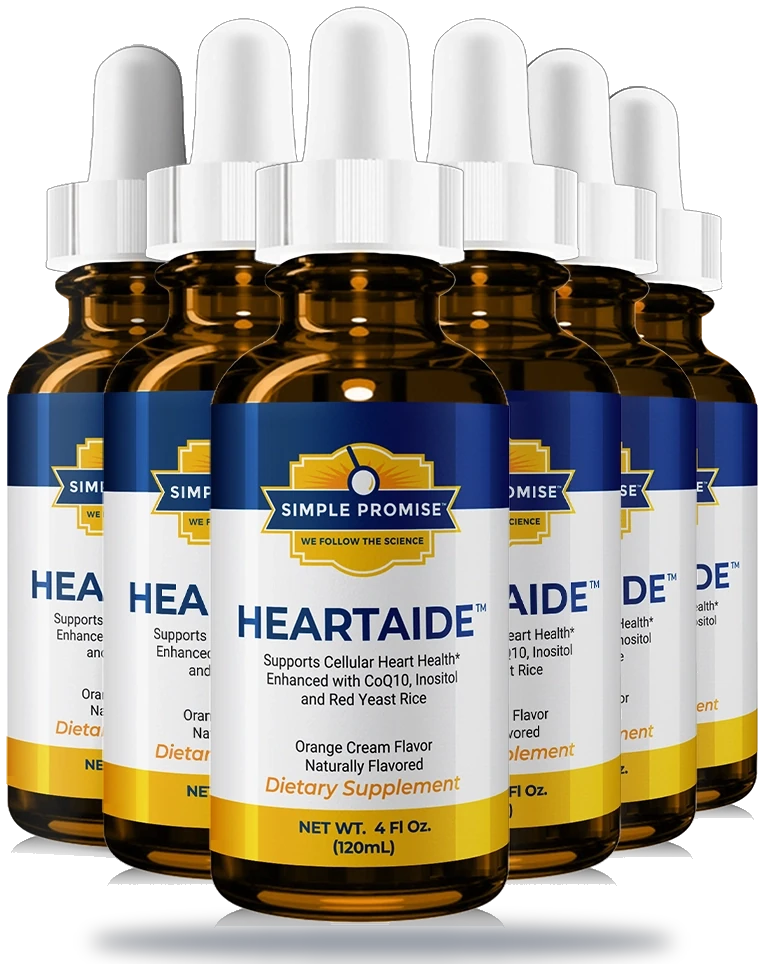
Heartaide is a liquid dropper supplement enhanced with CoQ10, inositol and red yeast rice, with pomegranate extract and mango powder also listed. The full Supplement Facts panel, including every amount, is printed on the 4 fl oz amber glass bottle. Because it is a liquid, you can take it as directed on the bottle label, either from the dropper or added to a glass of water.If you are curious about the third headline ingredient, read red yeast rice explained. For a broader view of the formula, the ingredients page lists every name in one place.
Everyday Foods That Share These Names
It can be reassuring to see these ingredients in a grocery context. A lunch of grilled salmon, a side of white beans and an orange for dessert already contains CoQ10-bearing fish and inositol-bearing beans and citrus. Sesame seeds on a salad and a handful of peanuts add a bit more. None of this replaces a supplement or the other way around; it simply shows these are not unfamiliar substances.Choosing With a Clear Head
When you compare products, keep a short list of questions: can you read every ingredient and amount, is the format easy to stick with, is the maker open about where it is produced, and does the return policy give you room to decide at your own pace? Heartaide is made in the USA in a GMP-compliant facility, ships free within the US on every pack, is a one-time purchase with no subscription, and carries a 365-day money-back guarantee that covers partly used bottles. It is for adults 18 and older.For neutral, plain-language background on many common ingredients, including coenzyme Q10, see the NIH Office of Dietary Supplements. When you are ready, you can Order Heartaide from the official website.